Repairs and Fabrication for Metal Projects of All Sizes
Welding Services in Big Sandy for structural repairs, custom fabrication, and agricultural metalwork
Agricultural equipment breaks in the field, trailers develop cracks under load, and metal structures fail where welds corrode or joints separate. JR Construction and Welding handles welding projects across residential, agricultural, and light commercial applications in Big Sandy, working with steel, aluminum, and other metals to repair damage or fabricate new components that meet structural and functional requirements.
The work begins with assessing the material type, thickness, and the environment the repaired or fabricated piece will face. Structural welding for load-bearing components requires full-penetration welds and often involves pre-heating thicker materials to prevent cracking as the weld cools. Repairs on rusted or painted metal require surface prep—grinding down to clean base metal so the weld bonds properly rather than adhering only to surface contaminants.
Arrange a consultation to review your metalwork needs and discuss whether repair or replacement is the better approach.
How Proper Welding Technique Affects Strength and Longevity
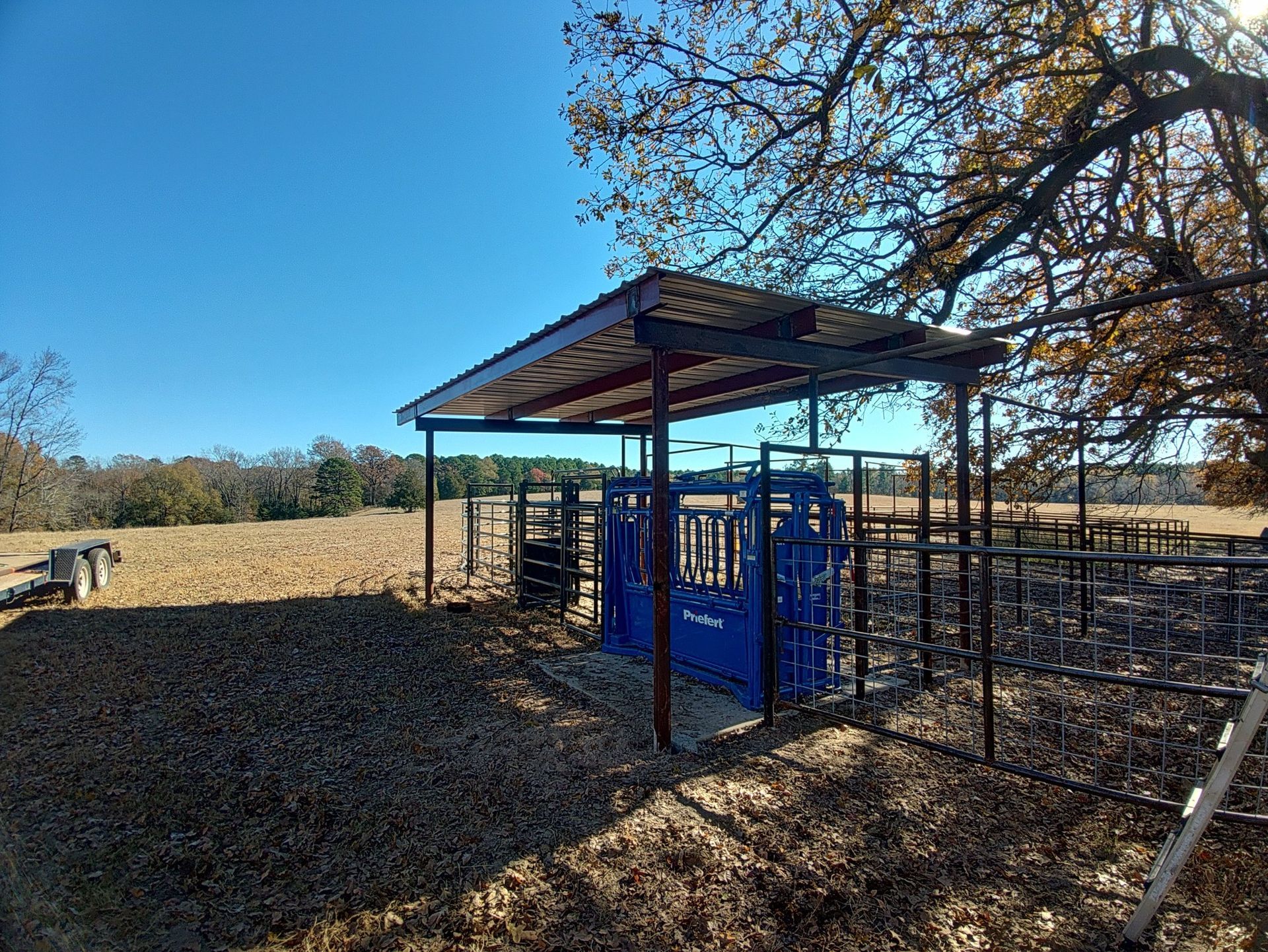
Welding isn't just about fusing two pieces of metal—it's about controlling heat input, selecting the right filler material, and positioning the weld to handle the forces the joint will experience. Overhead welds on trailer frames require different technique than flat welds on gate posts, and each position demands adjustments in travel speed, amperage, and electrode angle to avoid defects like porosity or incomplete fusion. These details matter because a weak weld fails suddenly under load, often at the worst possible time.
Once the work is complete, you'll see consistent bead appearance with no gaps, undercut, or spatter that indicates poor penetration. Structural welds hold without flexing, and repaired components return to full load-bearing capacity. On agricultural equipment, properly welded repairs often outlast the surrounding metal because the weld zone is denser and more resistant to fatigue than the heat-affected zone in older, work-hardened steel.
Some projects require post-weld grinding or finishing to create smooth transitions for paint or powder coating, and others are left as-welded when appearance isn't a factor. Welding services also include mobile repairs, where equipment is welded on-site rather than transported to a shop, saving time on large or immobile structures.
Common Questions About This Service
Clients in Big Sandy often ask about material compatibility, repair feasibility, and what to expect during the welding process.
What types of metal can be welded on-site or in the shop?
Most projects involve mild steel, stainless steel, or aluminum, though cast iron and certain alloys require specialized filler materials and pre-heating to prevent cracking during the cooling phase.
How do you determine if a cracked component should be repaired or replaced?
The decision depends on the crack's location, the component's role in the structure, and whether the surrounding material is corroded or fatigued—load-bearing cracks in thin or heavily rusted metal often warrant replacement instead of repair.
Can welding be performed outdoors in Big Sandy's humid conditions?
Yes, though moisture and wind require additional steps like using low-hydrogen electrodes, shielding the work area, and pre-heating metal to drive off surface moisture that can cause weld defects.
What is the difference between MIG and stick welding for structural work?
MIG welding produces faster, cleaner welds on thinner materials and is ideal for fabrication, while stick welding handles thicker, dirtier, or outdoor materials better and is commonly used for repairs and heavy structural work.
How long does a typical welding repair take?
Simple repairs like re-attaching a broken bracket may take less than an hour, while complex fabrication or structural welding projects can take several hours or multiple days depending on the scope and prep work required.
What types of metal can be welded on-site or in the shop?
Most projects involve mild steel, stainless steel, or aluminum, though cast iron and certain alloys require specialized filler materials and pre-heating to prevent cracking during the cooling phase.
JR Construction and Welding brings hands-on welding experience to projects across Big Sandy and the surrounding area. Reach out at (903) 714-9403 to discuss your metalwork needs and schedule a project evaluation.